
Celebrating Lei Day: The Aloha Spirit and Hawaiian Culture on May 1st
5/1/20264 min read
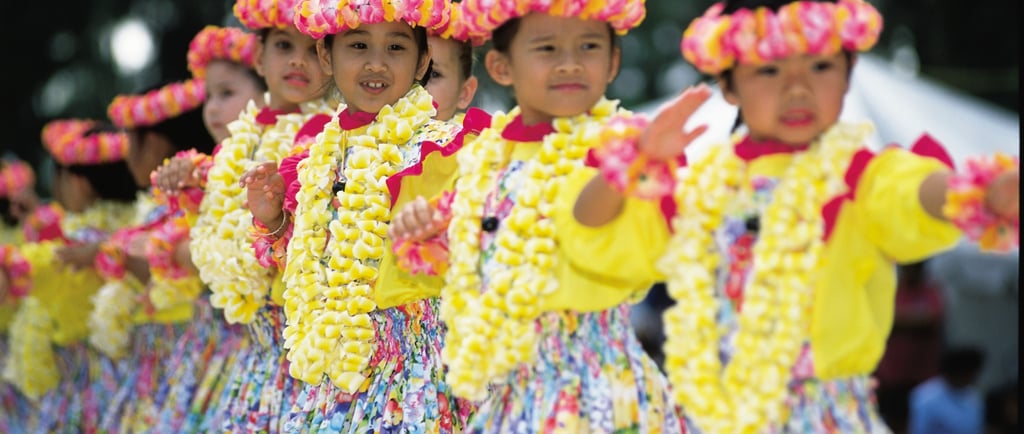
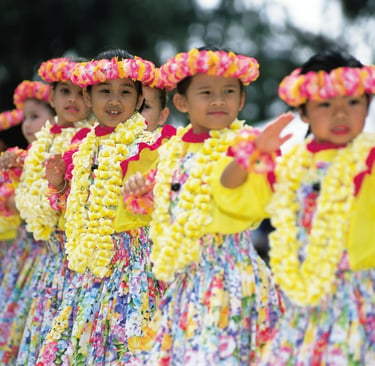
The Significance of Lei Day in Hawaiian Culture
Lei Day, celebrated annually on May 1st, serves as a vibrant expression of Hawaiian culture that holds profound historical and cultural importance. The origins of Lei Day can be traced back to the early 1920s when its establishment aimed to honor the craft of lei-making and emphasize the significance of the lei within Hawaiian society. The lei, often made of flowers, shells, or other materials, represents a tangible symbol of love, honor, and connection among the Hawaiian people.
The evolution of Lei Day over the decades reflects a broader recognition of Hawaiian identity and customs. Initially, it was primarily a local event, but as the awareness of Hawaiian culture grew, so did the enthusiasm and participation in this celebration across different communities. Today, Lei Day is not only a day of recognition for the craftsmanship involved in creating leis but also a celebration that unites people in appreciation of Hawaii's rich heritage.
In the context of Hawaiian culture, leis carry deep symbolic meanings. They are often given during significant life events such as graduations, weddings, and funerals, serving as tokens of respect and affection. The act of presenting a lei is steeped in traditions and manners, reflecting the values of aloha, which prioritizes love, compassion, and empathy in interactions among individuals. The intricate designs and materials used in lei-making also convey messages of the giver's feelings and intentions. Thus, leis go beyond mere decoration; they embody the spirit of community, respect for nature, and the enduring traditions that shape Hawaii's cultural landscape.
Festivities and Traditions Associated with Lei Day
Lei Day, celebrated on May 1st, is a vibrant testament to Hawaiian culture, encompassing a variety of festivities that take place throughout the Hawaiian Islands. This annual event is characterized by its emphasis on community involvement and the promotion of the Aloha Spirit, which is deeply embedded in Hawaiian traditions. Parades, lei-making contests, and hula performances form the backbone of the celebrations, each highlighting unique aspects of Hawaiian heritage.
In Honolulu, the celebration often features a grand parade, where float participants showcase elaborately designed leis made from a variety of flowers, leaves, and even shells. This parade not only highlights artistic expression but also serves as a platform for local schools and organizations to display their creativity and community spirit. Moreover, lei-making contests are organized to encourage participants of all ages to craft their own unique leis, fostering a sense of unity and pride among residents.
On the Big Island, festivals frequently include traditional hula performances that honor the historical significance of hula as an essential form of storytelling within Hawaiian culture. Local pride is further expressed through community gatherings, where families come together to share food, music, and the spirit of aloha. Each island may add its individual flavor to the celebrations; for example, Kauai often emphasizes eco-friendly practices by encouraging the use of native materials in lei-making.
Throughout the islands, the shared joy experienced during Lei Day enhances social bonds and reinforces the cultural significance of the lei as a symbol of love, friendship, and respect. Such gatherings not only preserve Hawaiian customs but also invite newcomers and visitors to participate in the celebration, ensuring that the Aloha Spirit is accessible to all. This collective celebration serves as a reminder of the islands’ rich cultural tapestry and the importance of community in fostering lasting traditions.
How to Create and Give a Lei: A Step-by-Step Guide
Creating a traditional Hawaiian lei is a cherished practice that embodies the spirit of aloha. This step-by-step guide highlights the essential materials and various styles of leis, helping you to express your appreciation through this beautiful floral gift.
To begin, gather your materials. You will need fresh flowers, greenery, or leaves, needle and string, scissors, and a bowl of water to keep the blooms hydrated. Popular flowers for leis include plumeria, orchids, and tuberose. Each flower brings its unique scent and color, adding personal flair to your creation.
Once your materials are ready, decide on the style of lei you wish to create. The simple knotted lei involves a straightforward method of stringing flowers with knots in between. An alternative is the braided lei, which requires intertwining flower stems to achieve a more intricate design. Consider the recipient’s preferences and the occasion when selecting the style.
The process begins with cutting the flowers and leaves to a suitable length, usually about four to five inches. Use floral wire or a strong string for stringing the materials together securely. If you are making a knotted lei, carefully pierce the stem of each flower and tie a knot after each bloom to keep it in place. For a braided lei, intertwine the stems, ensuring the flowers face outward for maximum visibility.
Once the lei is complete, remember the significance of this gift. Present the lei gently, placing it around the recipient’s neck as a symbol of love, respect, and appreciation. When receiving a lei, it is customary to wear it immediately, honoring the giver's gesture. The act of giving and receiving a lei is not just a tradition; it is a heartfelt manifestation of the Aloha spirit, celebrating relationships and community.
The Aloha Spirit: Embracing Community and Connection
The Aloha Spirit embodies the essence of Hawaiian culture, emphasizing love, kindness, and respect. This resilient philosophy is dramatized during Lei Day, when communities across Hawaii come together to celebrate and honor their shared heritage through the gifting and wearing of leis. These floral garlands are not merely decorative; they symbolize the connections that bind people, whether they are long-time residents or visitors experiencing the warmth of Aloha for the first time.
During Lei Day festivities, various events showcase local crafts, music, dance, and culinary traditions, creating a vibrant tapestry of cultural appreciation. Such activities invite individuals to engage with each other, to share stories, and to understand the significance of the Aloha Spirit in their lives. Community gatherings allow individuals to forge new friendships and strengthen existing bonds by celebrating Hawaiian identity and values.
Many anecdotes reflect the impact of Lei Day on personal and communal levels. For instance, families often share the experience of creating leis together, passing down techniques through generations. This not only results in beautifully crafted leis but also fosters a deep sense of connection among family members. Furthermore, as visitors partake in these traditions, they leave with a sense of belonging and respect for the cultural practices they have witnessed, enhancing the community's sense of shared spirit and goodwill.
Ultimately, the Aloha Spirit is a guiding light that nurtures connections, inviting both locals and visitors to participate in the warmth of Hawaiian culture. The significance of Lei Day transcends its celebratory nature, revealing the powerful influence of connection and community throughout the islands. Celebrating Lei Day serves not just as an observance of tradition but as a profound opportunity to embrace the values of Aloha in everyday life.
Aloha
We look forward to welcoming you to the Islands. Mahalo & Aloha
CONTACT US
SUBSCRIBE
marianne@will-sales.com
808-754-3581
© 2025. All rights reserved.